
Come See Me in the Good Light
Hi Friends,
So I finally watched Come See Me in the Good Light on Apple TV, and I haven’t been able to stop thinking about it.
I’d been hearing about the documentary everywhere (mentioned on a few podcasts I trust, then popping up in post after post from friends and people I follow and admire). The documentary follows poet Andrea Gibson, someone I honestly knew very little about going in. Andrea is a spoken-word poet and activist known for work that explores love, identity, and what it means to be human (you know, easy topics like that).
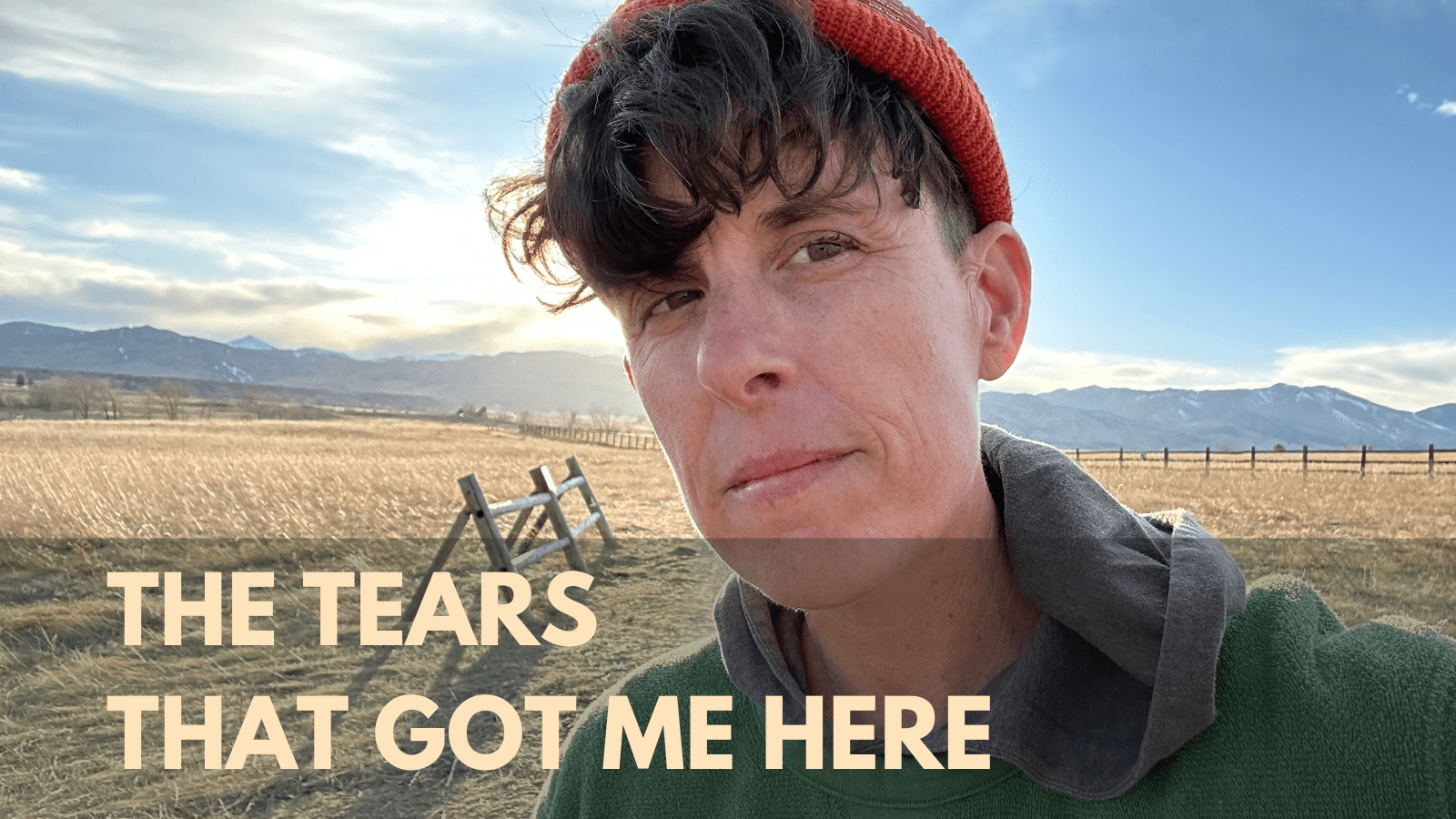
Andrea Gibson
The doc centers on Andrea’s life and relationship with her wife Meg, and on navigating illness, mortality, and love in real time. During the taping Andrea is living with cancer, but continuing to write and perform, and, mostly try her best to show up honestly in the middle of all her health uncertainty. You see the medical appointments, the waiting, the exhaustion, but also the ordinary moments in between: mornings with Meg, laughter, and the kind of intimacy that comes from facing hard things together.
What makes it especially powerful is how central the relationship with Meg is throughout the film. Their relationship isn’t romanticized. You see what caregiving actually looks like — worry, frustration, devotion, and the steady love that shows up even when neither person has answers. There’s no pretending, just two people doing their absolute best to stay connected when time feels so fragile.
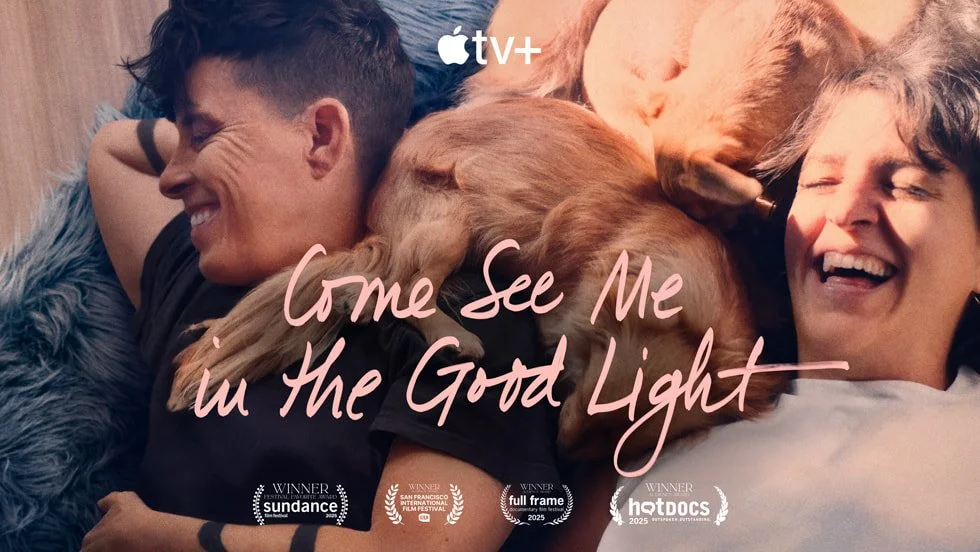
Andrea and Meg
Poetry runs through all of it. Andrea never stops working. And the poetry isn’t presented as some grand triumph over illness, but as a way of staying present and naming what’s happening instead of looking away. Writing becomes a survival tool for reflection and connection.
When the documentary ended (Andrea passes away in the end), I wasn’t ready to move on, so I bought Andrea’s poetry collection, You Better Be Lightning. Between the documentary and the book, its made me think differently about beauty, life and death, and the passage of time. Its also made me reflect on friendships — on presence, gratitude, and how love, grief, anger, and joy exist side by side.
I don’t know how to fully explain the impact except to say that Andrea’s work has changed me in ways I’m still processing. It made me want to be more present, more open, and less guarded. It reminded me how fragile everything is.
If you watch it, I’d love to hear what you think.