
UNOPENED PRESENTS
It’s a cold Friday night, January 5, 1990, and I don’t want to go to the hospital again. It’s TGIF, my favorite night of television, and they’re airing a new episode of Full House! Plus, Ian is coming home next weekend. The doctor assured us that he is recovering well from his pneumonia and will be okay to come home by then. So why do I need to sit in a boring hospital room when I could be home laughing with DJ and Uncle Jesse?
Ian has been in the hospital since before Christmas, and all our wrapped presents still sit under the tree waiting for him. Everyone in the family has agreed that we won’t celebrate until he is back with us. I’ve tried to make out what everyone’s gifts are, and I’m pretty sure I can tell Santa brought me the My Little Pony I’ve asked for. But I can’t figure out everything, and the anticipation is killing me! The tree is dried out now, its needles crunching under my feet, but we refuse to take it down.
That night, my dad, grandpa, and I head to the hospital together, leaving mom and two younger sisters at home. I know going is the right thing to do. Ian would want me there, and I secretly like being the one who is responsible for making him happy. Part of me even thinks that if I go, his recovery might go even faster. We love each other the most, afterall.
I’m five when Ian is born, and from the moment I see him, I instinctively know my role as his big sister: to be his number one protector. Ian was born deaf and with Down Syndrome, so it’s my job to make sure he always feels safe and loved.
It’s not hard to love Ian. He has this way of making everyone feel special. Ian claps wildly when someone walks into a room and one time, he clapped so hard when I came into his classroom that he tipped over and landed on his back. Instead of crying, he started laughing uncontrollably, making everyone else laugh too. Babies with Down Syndrome are the sweetest, and Ian is no exception. I learn sign language, play with him at night, and go to all of his hospital appointments with him after school. We share everything—toys, snacks, and sometimes a bed at night. I’m his best friend, and even though I’m only a child, I feel like Ian is my baby, too.
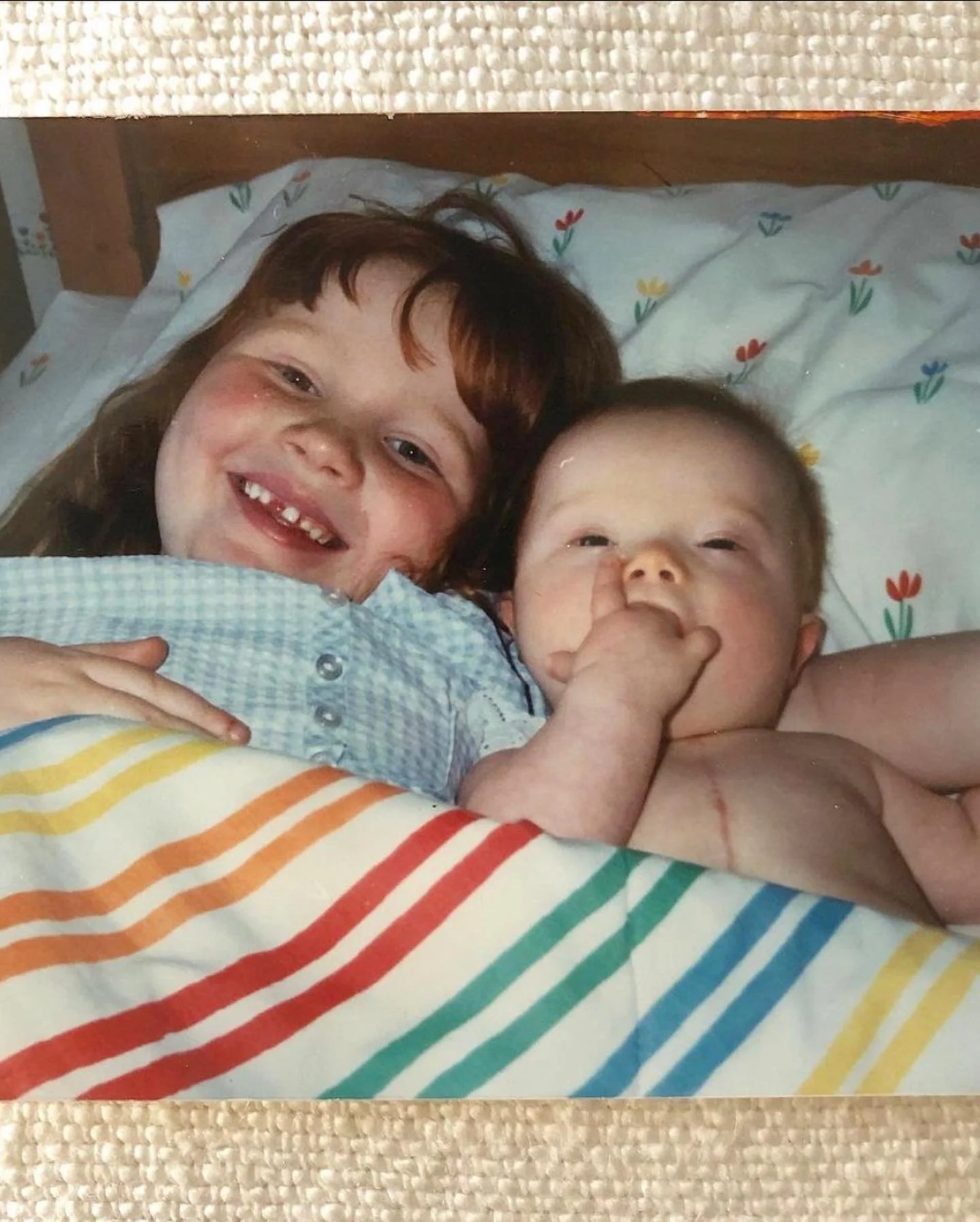
Ian is asleep when we arrive at the hospital. He looks so small in the oversized hospital crib, his pale skin blending in with the white sheets. But even in sleep, his red hair stands out, a vibrant reminder of his lively spirit. He was born with a heart defect, and by the time he was just six months old, he’d already had open heart surgery. Ian isn’t even three years old yet, (I’m turning eight next month), but his tiny body has endured more than most peoples’ do in a lifetime.
We go into the kids’ playroom at the hospital and roll a ball back and forth and play “crawl tag”. I know how to read his body and when he’s out of breath I let him rest. After an hour we all go back to his hospital room and watch his little chest rise and fall until he’s asleep.
The drive home is quiet. The streets are empty, the world outside the car coated in frost. Grandpa encourages dad, patting his back, saying Ian looks great, that he’ll be home soon. Everyone is tired. I stare out the window, thinking about how excited Ian will be to open his presents, especially the building blocks I picked out with mom.
The next morning, I am the first one up, except for my dad. He has a paper route that helps pay for Ian’s medical bills and leaves the house every morning at 4am.
The house is quiet, but the kind of quiet that doesn’t feel quite right. My younger sisters — five and eight months old — are still asleep. I tiptoe downstairs, careful not to wake anyone, pour myself a bowl of Life cereal, and settle into my Saturday morning routine. I turn on Nickelodeonand let the familiar theme songs fill the basement, but I can’t relax. Something feels off. Without thinking, I walk over to a picture of Ian on the shelf. I pick it up and hold it while I watch TV even though I can’t explain why.
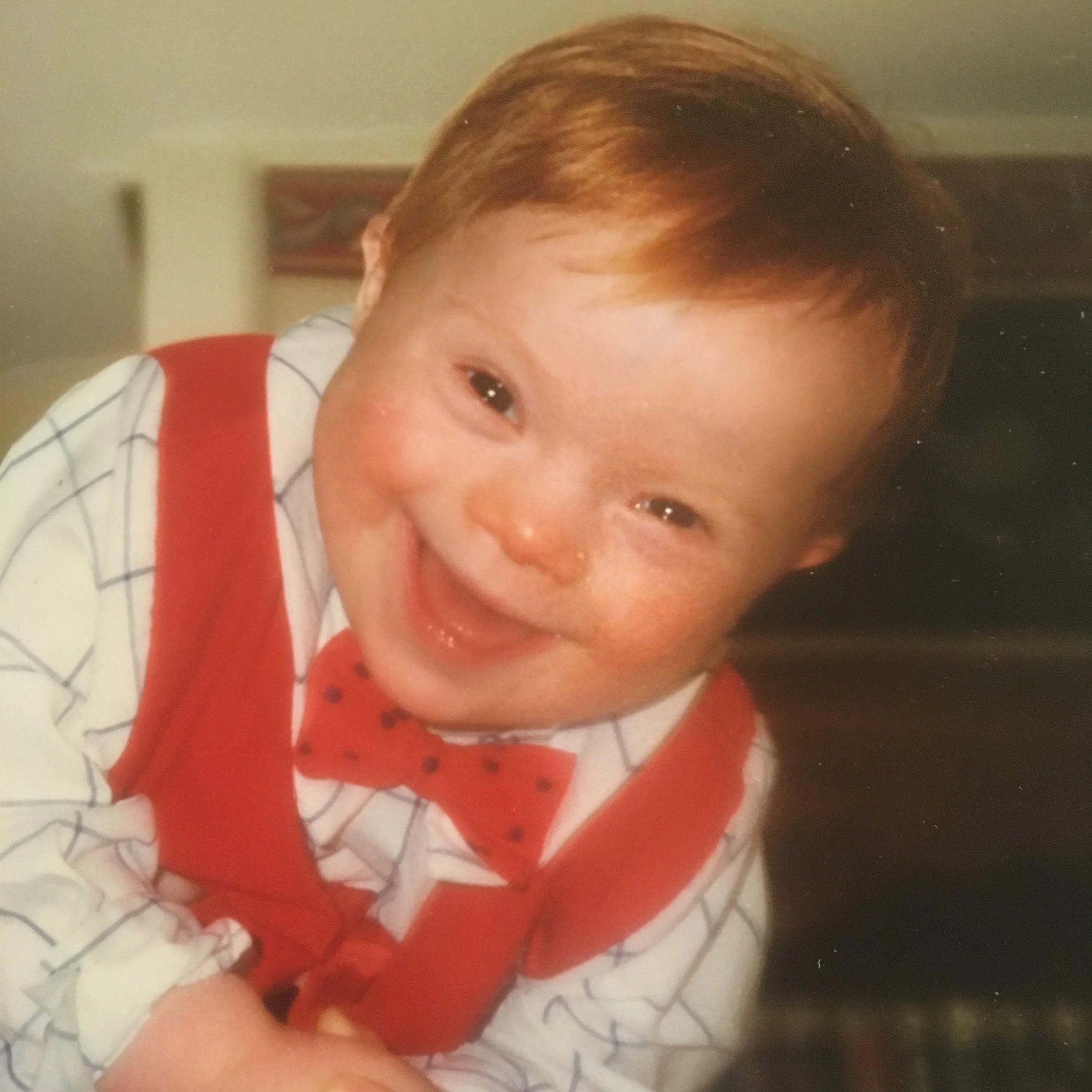
Only twenty minutes later, I hear a knock at the back door. It’s still so early, so it scares me. I run upstairs and open it to find my grandparents standing there, their faces pale and their eyes red. When I open the door, my grandma opens her arms and pulls me into her, her coat smelling of White Diamonds perfume. My mom appears suddenly from upstairs in her flannel nightgown, and we all stand there in the kitchen, me in the center of their fragile circle. I begin to cry now too. I don’t need to ask what happened. I know it’s Ian.
My mom got a call from the hospital that morning. She had been so sure this would be the call telling her to bring Ian home. But instead, she heard the cold words: ‘Ian has expired.’ She immediately called my grandparents to come over, who lived 15 minutes away. Without cell phones, we had no way of reaching my dad.
So now we all sit in the living room, waiting for my dad to come home from his paper route. I keep wondering if I will be the one who has to tell him. When we finally hear his car pull into the driveway, I am filled with dread. My mom puts her face into a pillow as my grandpa stands to go greet him at the back door. My dad walks in, and unaware, says, “Hey Dad,” reaching to give him a hug, his tone light and surprised. Then he looks around and instantly realizes. His knees buckle and he collapses to the floor and lets out a sound I hope to never hear again — a raw, guttural cry that carries the weight of the world. As he’s crumbled and screaming on the kitchen floor, I sob and stare at the Christmas tree. The presents underneath feel like a cruel joke, the shiny wrapping paper mocking the joy we’ve been saving. I wonder how we’ll ever open them without him. I wonder how we’ll ever be happy ever again.