
Colin Strickland Didn’t Pull the Trigger—But He Isn’t Blameless
Like many women, one of my favorite pastimes is watching a good true crime story. I can’t fully explain why (and people who don’t get it will always ask…) but I have a few theories: I’m drawn to the psychology, the warning signs, the small details that, in hindsight, could have been clues there was impending danger.
A few of my favorites are Forensic Files, Unsolved Mysteries, andDateline. When I was younger, I used to sleep over at my grandparents’ house and watch 20/20 with my grandma on Friday nights, curled up on the couch, only half-understanding the stories but completely absorbed by them.
I don’t always say this part out loud: but as a woman, a part of me believes that if I watch enough of these shows, I’ll start to recognize the patterns. The red flags. The subtle shifts where something goes from normal to not. Maybe I can outsmart a situation before it ever gets that far…that I wouldn’t be the one caught off guard or who didn’t see it coming.
It’s not entirely rational, but it’s real; an attempt to create a sense of control in situations where control isn’t possible. I watch these shows and try to make sense of something senseless.
That’s how I ended up watching The Truth and Tragedy of Moriah Wilson on Netflix this past week. I knew nothing about this story, about Moriah Wilson, or who she was. I just pressed play.
The documentary starts by weaving in interviews with the people closest to Moriah; her parents, her brother, best friends. Through them her life comes into focus. We see a healthy, beautiful, young woman at the beginning of a professional cycling career. She’s a 25-year-old athlete with incredible discipline and drive, comes from a loving family, and knows exactly where she’s going in life. Through video footage and photos we see a person fully in her life and building something — right at the edge of what’s next.

MORIAH WILSON
We watch her on her bike, moving fast, completely in control, winning race after race after race. You hear about her momentum, the way her career was taking off. There’s something about watching someone living a life so fully in motion that makes what comes later feel impossible to reconcile.
At the center of Moriah’s untimely death is a fellow bicyclist named Colin Strickland.
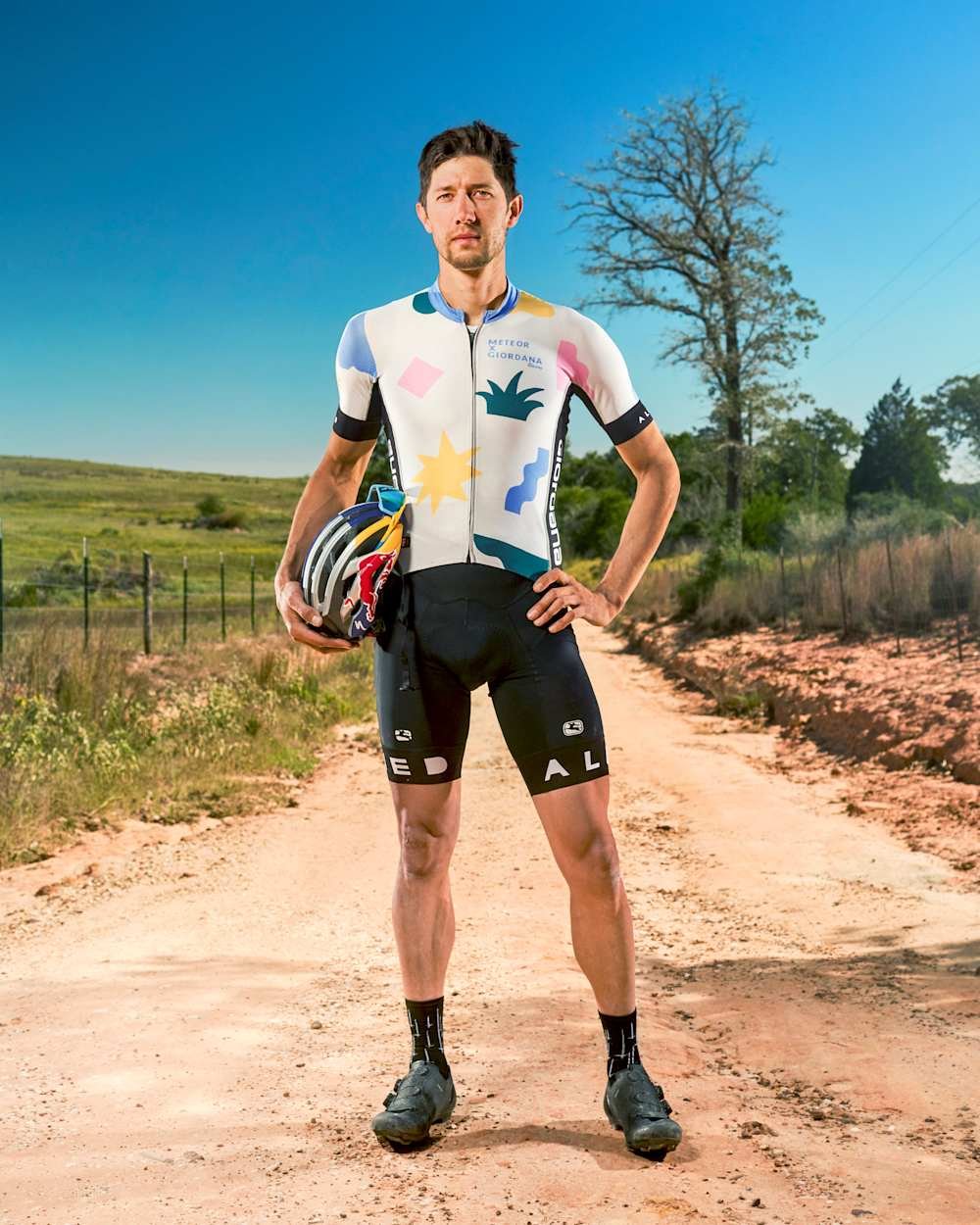
COLIN STRICKLAND
Colin and Moriah meet through the cycling world and are both athletes moving within the same competitive orbit. Colin was already established and well-known in the racing scene. Moriah was younger, rising quickly, and gaining recognition for both her talent and discipline. Their connection, at least at first, makes sense.
At one point, they briefly date. Not for long, but enough to create a connection that didn’t fully disappear. After they go their separate ways, they remain in contact and are still circling each other in the same world and loosely tied in a way that isn’t entirely resolved.
As months go by up, Colin starts a new relationship with another woman, Kaitlin Armstrong. But his connection with Moriah isn’t fully closed. Moriah and Colin are still communicating. Still existing in that ambiguous space that isn’t quite over, but isn’t clearly defined.
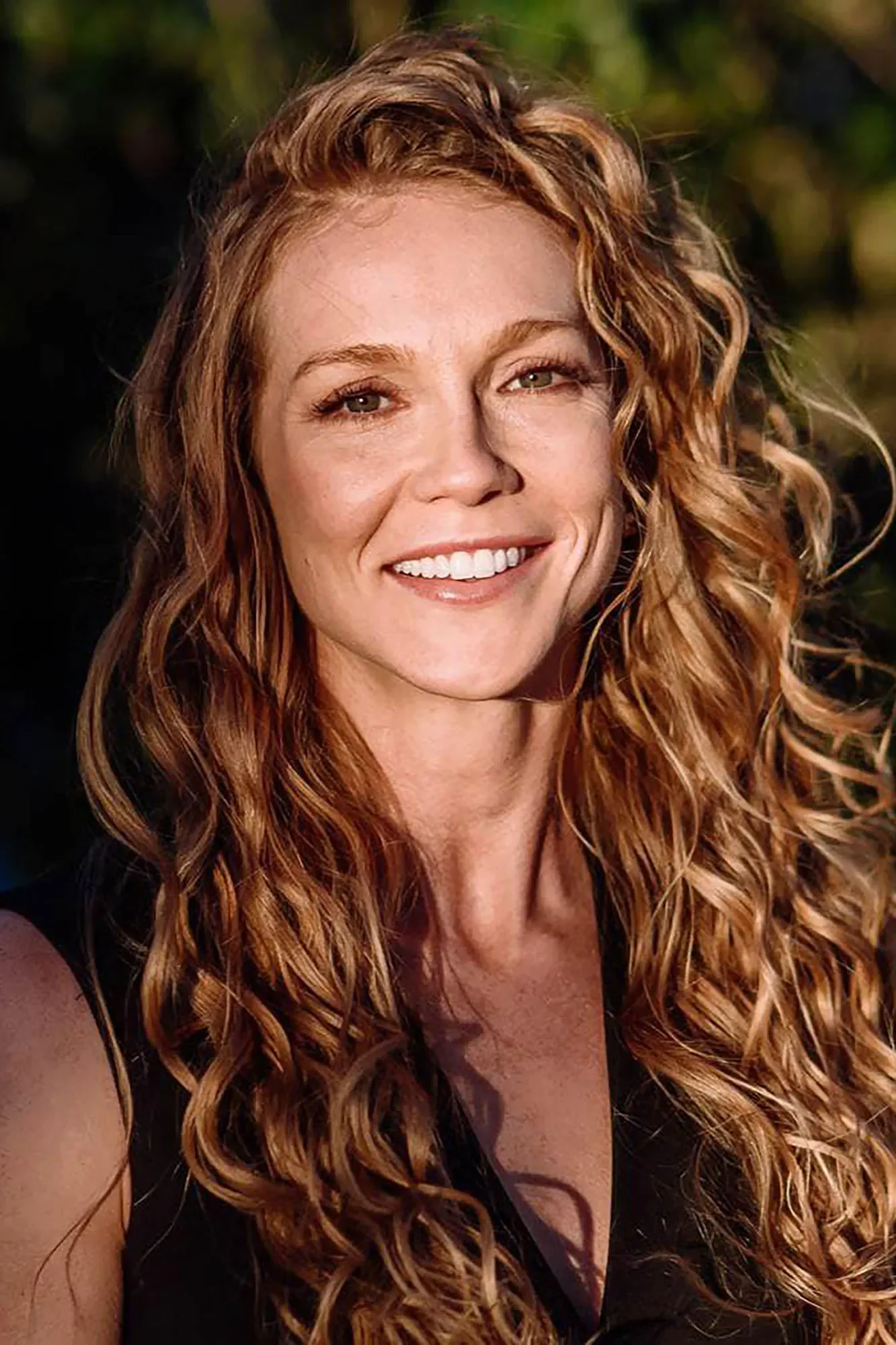
KAITLIN ARMSTRONG
Meanwhile, his relationship with Kaitlin becomes more established: shared life, shared home, a sense of commitment. But Colin is still in contact with Moriah, still texting. He even saves Moriah’s name under an alias in his phone so Kaitlin won’t get suspicious or angry. His “friendship” with Moriah is a major issue in their relationship and he wants to keep both worlds intact without having to fully account for either. What you begin to see isn’t a love triangle, it’s something more unstable. Two women moving through the same emotional landscape with entirely different understandings of what’s true.
Kaitlin believes one version. Moriah experiencing another. And, of course, Colin, managing both.
Everything collapses when Moriah travels to Austin for a race and makes plans to meet up with Colin for dinner and a swim.
He doesn’t tell Kaitlin where he’s going, and he doesn’t answer his phone calls from her while he’s with Moriah.
At home, a suspicious Kaitlin opens Colin’s iPad. A name she doesn’t recognize, the alias he has for Moriah, are there for her to read. It almost works, except for the photo of Moriah on her bike, sent to Colin earlier that day.
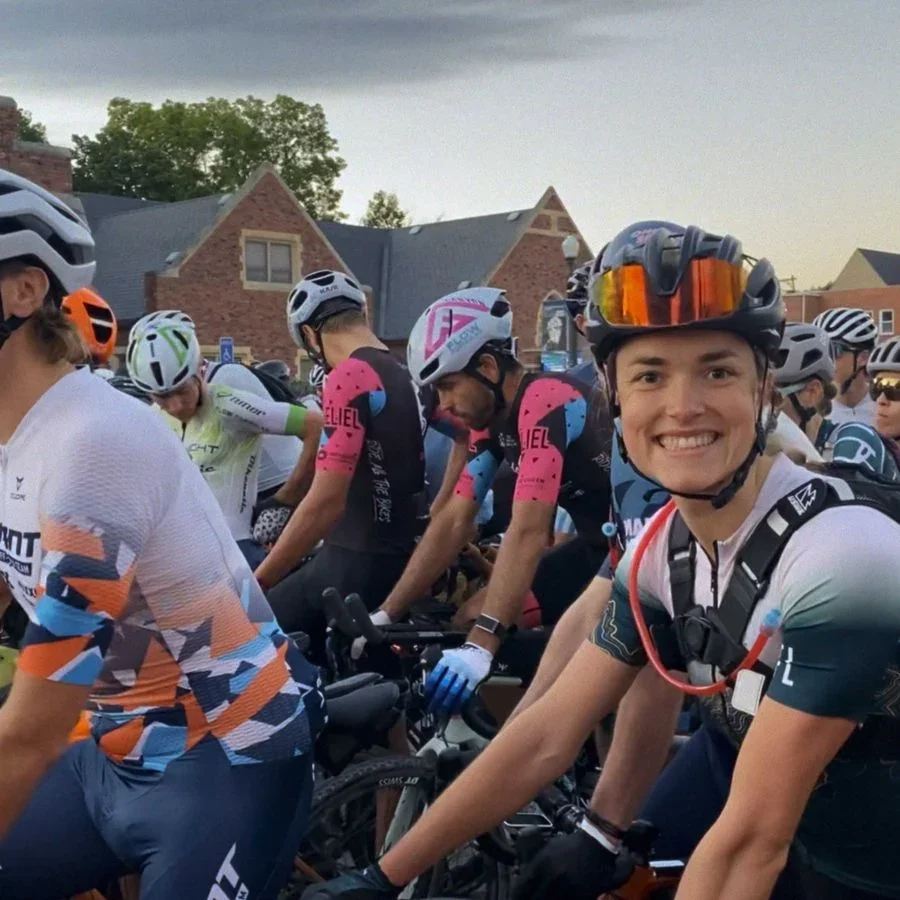
MORIAH WILSON
Kaitlin knows exactly who it is, and now knows they’re together that night.
After meeting up with Colin, Moriah returns to her friend’s house where she’s staying that evening.
Kaitlin has followed her there, confronts her, and shoots her multiple times. Then Kaitlin flees the country and evades authorities for weeks before she’s eventually found, arrested, and convicted of murder, sentenced to 90 years in prison.
Kaitlin is responsible for the violence and the decision that ended Moriah’s life. That is absolute.
But watching this, it’s clear the situation had already spiraled—driven by fixation, confusion, and instability. And in my opinion, Colin is also responsible—not for the trigger, but for the environment that made something like this possible.
Colin lied, he concealed, and he manipulated just enough to keep two women orbiting him at the same time. He told one woman it was over while continuing to see the other. He saved Moriah’s name under a different one. He withheld clarity and let confusion do the work for him. Kaitlin committed the crime, but Colin created the conditions. There are choices that aren’t criminal but are still consequential. His decisions rippled outward, destabilizing everyone around him.
Before he entered their lives, both women were accomplished, grounded, and moving forward. And still, somehow, both were pulled into the same orbit: trying to make sense of a man who was never honest with either of them.
Men like this aren’t rare; they rely on ambiguity. They avoid clarity because clarity requires accountability. So instead, two people are left holding different versions of the truth: both incomplete, both distorted.
And while it doesn’t always end in violence, it is inherently dangerous. When truth is withheld, people fill in the gaps, and that space is often insecurity, obsession, and emotional chaos.
I’m not excusing Kaitlin Armstrong. What she did is unforgivable, and she deserves to be in prison for the rest of her life. But this isn’t just about what happened to Moriah. It’s about how easily women are taught to seek male attention as value and interpret being chosen as proof of winning a game that’s better not even played.
Both women were orienting themselves around Colin: his attention, his inconsistency. They kept returning when he pulled away. He was never a prize; he was always a problem. At the center of this tragedy is Colin Strickland, the person who wasn’t just “in the middle” of this. He created this.
He treated both women horribly: he was careless, inconsistent, dishonest— and still, both of them wanted him. He had that dangerously elusive quality that women can be drawn to — the kind that keeps you slightly off balance, always reaching for something just out of grasp. That pull that comes from someone who just doesn’t seem to care.
Kaitlin—before all of this—was beautiful, well-liked, part of a community that embraced her. Moriah was a star in every sense of the word.
And still, if you listen to Moriah’s journal entries—to her friends, to the voicemails from that time—you hear it: the confusion, the frustration, the uncertainty.
Colin had her undone. He made her question herself. He made her feel small.
This whole story reads like a cautionary tale.
What if the first lie had been enough?
What if either one of them had ended it before it had time to escalate?
What if even one of them had refused him—had taken his negligence as the answer it was?
What if, at any point, either one of them had walked away? Refused the ambiguity. The lies. The indifference he carried so easily.
Moriah deserved more.

MORIAH WILSON